Thermostatic Valves — Room-by-Room Climate Control
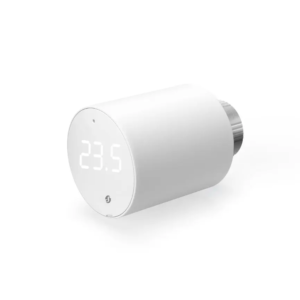
Take precise control of your heating and stop wasting energy on empty rooms. Smart thermostatic valves allow you to automate your radiators, set individual room schedules, and manage your property’s climate from anywhere. They provide highly efficient, remote control smart solutions that maximize energy savings while ensuring ultimate comfort.
- Room-by-room temperature scheduling for personalized comfort and reduced waste.
- Easy installation on existing radiators without draining your heating system or calling a plumber.
- Smart automation and open-window detection tailored for smart home devices to automatically lower heating when a room is airing out.
Popular Use Cases

Smart Temperature Control
Maintain comfortable room temperatures automatically throughout the day.

Energy Saving on Heating
Reduce energy consumption by heating rooms only when needed.

Room-by-Room Climate Control
Set different temperatures for individual rooms and schedules.

Automated Heating Schedules
Automatically adjust heating based on time, routines or occupancy.
System Compatibility
🌡 Climate Control
Smart heating schedules & room temperature management
📶 Connectivity
Bluetooth & smart home gateway support
🔗 Integrations
Home Assistant, Matter & smart home platforms
🏠 Ecosystems
Shelly Smart Control & compatible automation systems
Thermostatic Valves: Frequently Asked Questions
Most smart thermostatic radiator valves (TRVs) are designed to fit standard M30 x 1.5 mm threaded valve bodies, which is the residential industry standard. If your existing radiator has older or proprietary valves (such as Danfoss RA, RAV, or RAVL), most premium smart TRV kits include durable plastic or metal adapters inside the box to guarantee a secure, leak-free installation without draining your heating system.
It depends entirely on the wireless protocol of the specific model. Zigbee and Z-Wave smart TRVs (like those from Aqara or Tuya) strictly require a dedicated gateway or smart hub to bridge communication with your home network, ensuring minimal battery consumption and reliable local schedules. Conversely, Wi-Fi enabled smart TRVs connect directly to your home router without a hub, though they generally require more frequent battery replacements.
Yes. Based on real-world energy efficiency data, upgrading to smart TRVs can reduce space heating energy consumption by 15% to 30%. They lower utility costs by utilizing smart scheduling, geofencing (turning heat down when you leave), open-window detection (shutting off the valve when a sudden temperature drop occurs), and precision ambient sensors that prevent overheating.
es, creating independent heating zones is the primary structural advantage of installing smart TRVs. By equipping each radiator with its own smart valve, you can precisely schedule and adjust temperatures room by room. For example, you can maintain a comfortable 21°C in the living room while scheduling the guest bedroom to remain at an energy-saving 17°C.
Smart thermostatic valves running on native Zigbee or Z-Wave protocols offer the cleanest integration with Home Assistant via a Sonoff ZBDongle or Home Assistant SkyConnect. European market leaders such as Sonoff (TRVZB), Aqara (E1), and Moes work locally and cloud-free through Zigbee2MQTT or ZHA, granting you absolute programmatic control over climate entities, target temperatures, and battery reporting.
