Smart Home Devices
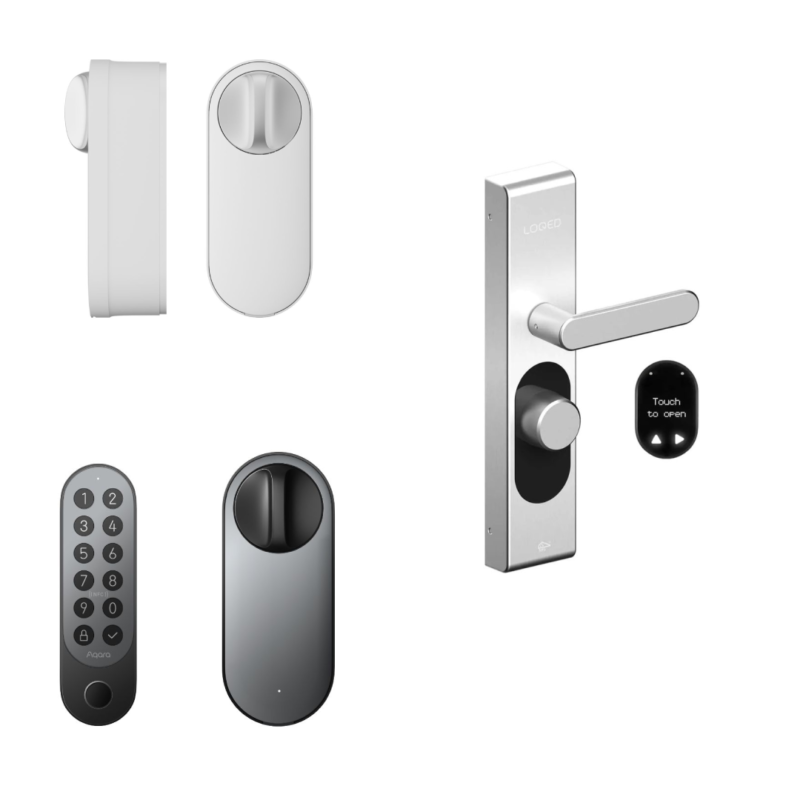
Explore smart plugs, sensors, relays, thermostats,controllers and other smart-home devices.

Control appliances remotely and monitor energy consumption in real time.



Popular Use Cases

Energy Saving
Monitor consumption and cut rental utility costs.

Smart lighting
Automate ambiances and prevent forgotten lights.

Heating Automation
Remote temperature control synchronized with guest check-ins.

Water Leak Protection
Instant main valve shutdown upon moisture detection.
Featured Products
-
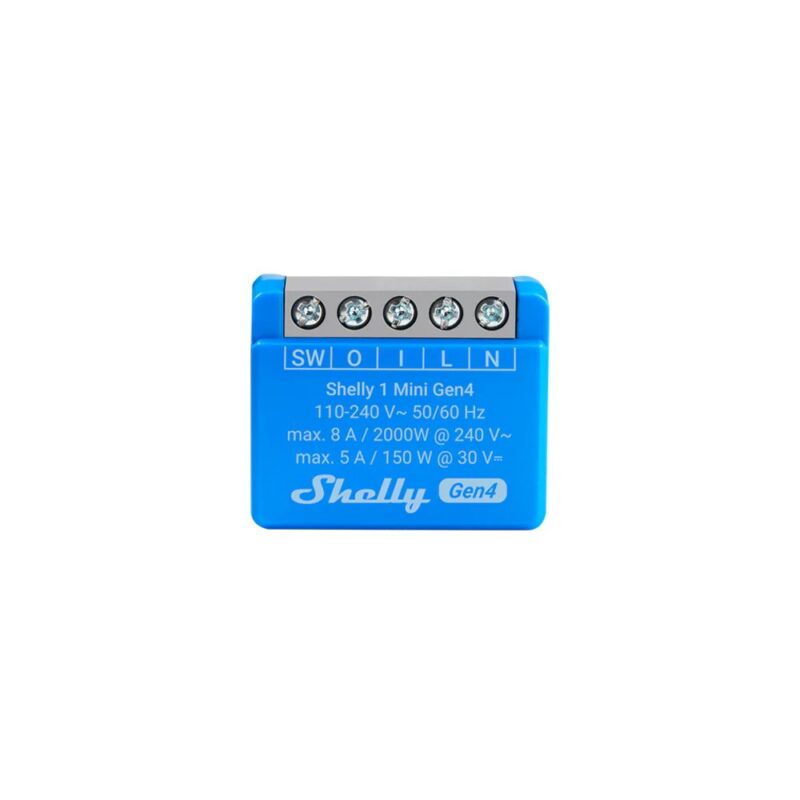
Shelly 1 Mini Gen4 Smart Relay (Wi-Fi 6, Zigbee 3.0, Matter)
18,99 € -
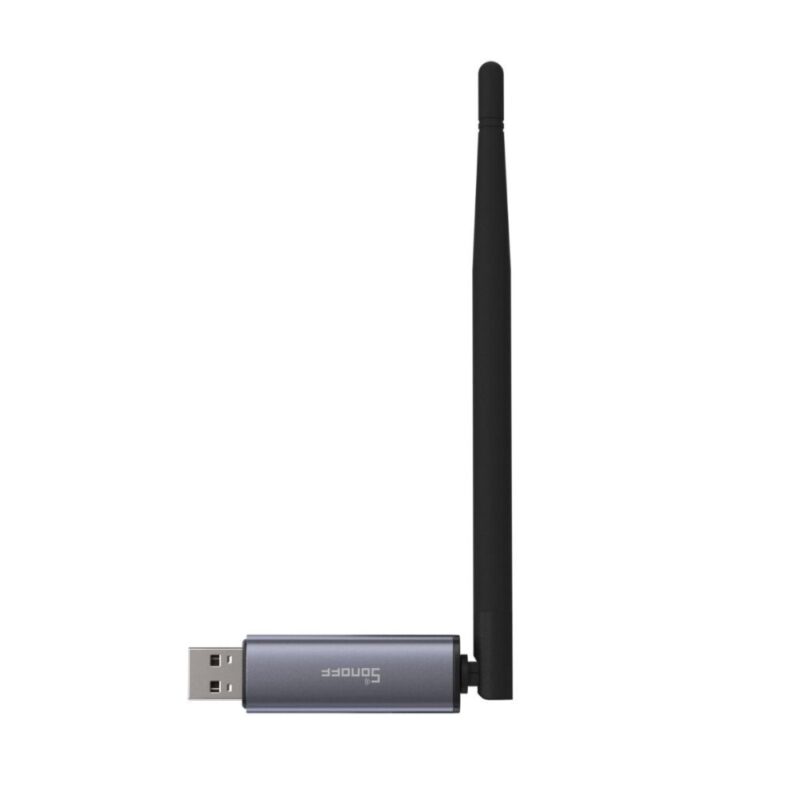
Sonoff Dongle Plus MG24 USB Zigbee 3.0 Thread Coordinator
37,99 € -
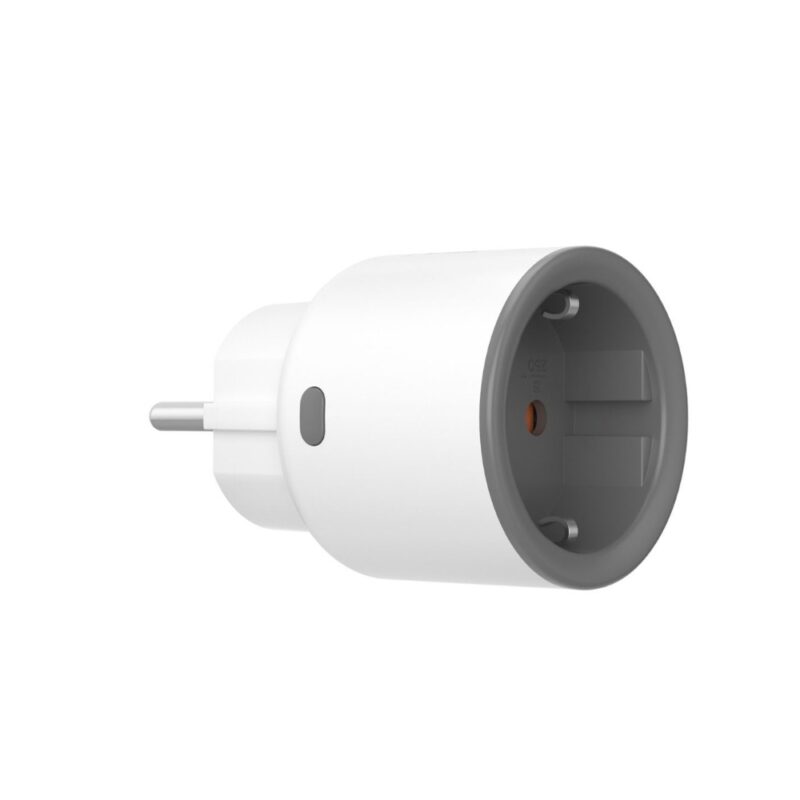
Sonoff S60TPF Smart Wi-Fi Plug with Power Monitoring (16A)
Original price was: 14,90 €.9,99 €Current price is: 9,99 €.
Smart Home Devices F.A.Q.
Answer: It depends on your current setup. Zigbee and Z-Wave are ideal if you want a dedicated, energy-efficient mesh network that won’t slow down your home Wi-Fi. Wi-Fi devices are great for beginners as they connect directly to your router without extra hardware. For future-proofing, look for devices supporting Matter, the new universal standard that ensures seamless compatibility across all major brands.
Answer: Not all devices require a hub. Wi-Fi and Bluetooth smart devices connect directly to your smartphone or router. However, devices using Zigbee or Z-Wave protocols require a compatible central hub (like a SmartThings hub, Homey, or a dedicated gateway) to bridge the connection to your internet. Check the product specifications on the card to see if a hub is required.
Answer: Home Assistant is highly versatile and works with almost everything. Devices utilizing open local protocols like Zigbee (via ZHA or Zigbee2MQTT), Z-Wave, and Matter offer the best local control and reliability. Wi-Fi devices with local APIs (like Shellys or certain TP-Link models) also integrate seamlessly without relying on the cloud. Always look for the “Local Control” tag for the best Home Assistant experience.
